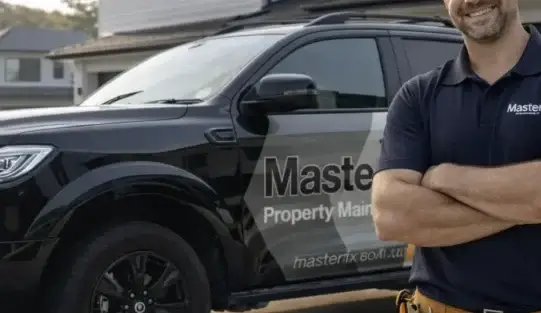
For an Australian tradie weighing up going solo or joining a franchise, the first number to check is the initial fee. But it is not necessarily the full amount needed to get a handyman business operating. The complete picture includes what the fee covers, any other costs set out in the franchise documents, and the resources you need to trade.
MasterFix currently lists a foundation franchise at $25,000 + GST and a standard franchise at $49,000 + GST. The company says foundation opportunities are limited. These are the published franchise prices, not a guarantee of every franchisee’s total startup outlay. Before deciding, confirm the current offer and all costs in the relevant documents.
What does the MasterFix fee cover?
MasterFix describes its franchise model as providing partners with systems, training, marketing and ongoing support. Its website says foundation partners receive the full MasterFix systems, training and marketing support. The exact inclusions, conditions and any separate charges should be confirmed in writing before signing.
The support is designed to address the business tasks that sit alongside trade work:
- Marketing: campaigns intended to generate customer enquiries, so franchise partners can focus on delivering work rather than finding every customer themselves.
- Training: MasterFix Academy covers technical skills, quoting, business management and operations.
- Systems and guidance: operational processes and ongoing support for running the business.
- Supplier relationships: partnerships include Bunnings Trade, Bosch, Kaboodle and Taubmans.

That package has a different value from a fee that only grants access to a name or logo. However, the practical value depends on what the agreement commits the franchisor to provide, what you are required to buy, and whether ongoing fees apply. Ask for an itemised explanation rather than relying on a headline price or verbal summary.
The initial fee is not the same as total startup cost
A franchise price is one part of a launch budget. Other costs may apply depending on your circumstances and the terms of the franchise. These can include vehicle and tool requirements, insurance, licences, technology, professional advice, travel for training and working capital while the business establishes its cash flow.
Do not assume every item applies to MasterFix, or that any item is included. Check the disclosure document and agreement for the actual requirements.
| Cost area | What to clarify before you commit |
|---|---|
| Initial franchise fee | Confirm whether you are considering the foundation or standard offer, what it includes, and when payment is due. |
| Ongoing charges | Ask whether royalties, marketing contributions, technology fees or other recurring payments apply, and how they are calculated. |
| Tools and vehicle | Confirm which tools, equipment, vehicle presentation or signage are required, and whether you already meet those requirements. |
| Insurance, licences and registrations | Identify the cover and authorisations needed for the work you will perform in your state or territory. |
| Training and travel | Clarify what training is included and whether you need to budget for travel or other related expenses. |
| Working capital | Plan for business expenses and household needs while enquiries convert into completed, paid work. |
This table is a due-diligence checklist, not a quote. The actual amounts depend on the agreement, your existing assets, your location and your operating plan.
The Franchise Council of Australia’s franchisee guidance gives a broad range for service franchises and notes that costs vary with factors such as scope, technical requirements, equipment and stock. That is useful context, but it is not a substitute for a specific franchise’s current documents or a personal startup budget.
What would it cost to start a handyman business alone?
Starting independently avoids a franchise fee, but it does not remove the work, or cost, of establishing a business. You would need to decide how to present the business, attract customers, manage enquiries, quote jobs, organise suppliers and maintain operating processes. You would also need to account for the tools, insurance, licences and working capital relevant to your own situation.
The key comparison is not simply “franchise fee versus no franchise fee”. It is the fee and any ongoing obligations compared with the time, money and effort required to build equivalent business capabilities yourself. Some tradies may prefer the control of operating alone. Others may value a defined system, structured training and marketing support. The right choice depends on your priorities and the details of the offer.
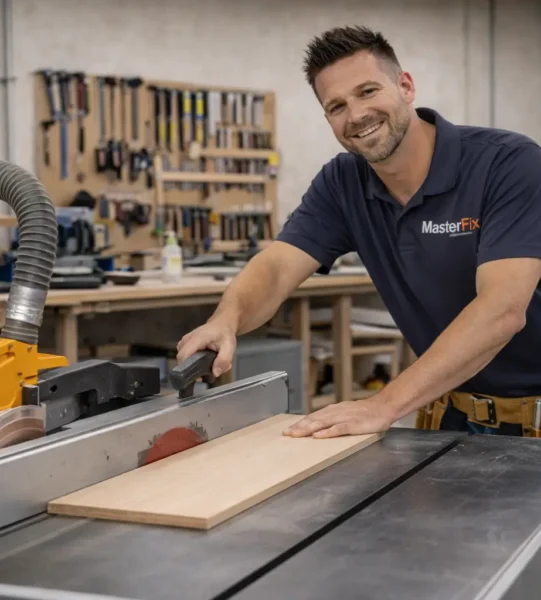
For people looking to start a handyman business, the work can span small repairs through to larger property projects. MasterFix franchise partners deliver services including bathroom renovations, deck refurbishments, shower installations, home extensions and general handyman work. A prospective partner should confirm which services can be offered in their territory and what qualifications or approvals specific jobs require.
What does a franchise provide that you would otherwise build?
The potential value is in the combined package, not simply the brand. Consider these areas when comparing handyman franchise opportunities with going solo:
Customer acquisition. MasterFix says its marketing campaigns generate customer enquiries. Ask how the lead process works, how enquiries are allocated, and what the agreement says about marketing activity and any contributions.
Quoting and business skills. MasterFix Academy training covers quoting as well as technical skills, business management and operations. For a tradie used to completing jobs, support with pricing, scheduling and business processes may be a relevant part of the offer.
Systems and supplier access. MasterFix lists supplier partnerships with Bunnings Trade, Bosch, Kaboodle and Taubmans. Ask what access these relationships provide and whether they involve any purchasing obligations.
Ongoing guidance. A franchise gives you a defined relationship with a franchisor, but the scope of support should be clear in the contract and disclosure documents. Confirm who provides support, how it is accessed and what is included.
MasterFix reports a 97% franchise partner retention rate and 95% satisfaction rate. It also says its franchise experience spans a decade and includes building networks to nearly 100 partners across Australia. These figures provide company-reported context; ask how they are measured and speak with current and former franchise partners as part of your research.
As MasterFix co-founder and CEO Wayne Morris says: “We believe great people deserve great business opportunities.” The important next step is to establish what that means in practice for the territory, support and costs on offer to you.
Questions to ask before signing
The Australian Government recommends reviewing the franchise agreement and disclosure documents, researching the business and seeking professional advice. Its guide to buying a franchise also links to the government’s Franchise Disclosure Register.
Before making a decision, ask:
- What exactly is included in the initial fee, and what is excluded?
- Are there ongoing royalties, marketing contributions or other recurring charges?
- What tools, vehicle arrangements, insurance, licences or technology will I need?
- What training and support are included, and are any related costs separate?
- How are customer enquiries generated and allocated?
- What are the territory terms, and which services can I provide?
- What additional funds should I allow for working capital?
- Can I speak with current and former franchise partners?
Take time to read the documents and have them reviewed by a lawyer and accountant with franchising experience. The ACCC’s information on franchise disclosure documents explains why the formal disclosure process matters.
The bottom line
MasterFix’s published entry prices are $25,000 + GST for a foundation franchise and $49,000 + GST for a standard franchise. The amount you need to launch may also depend on other costs and working capital, so the franchise fee alone is not a complete startup budget.
Compare the total obligations with what you would need to build independently: marketing, training, operating systems, supplier relationships and ongoing support. For details on the MasterFix model, visit the MasterFix franchise overview, marketing and lead generation and MasterFix Academy. Then assess the current documents and your own business plan before deciding whether a franchise is the right way to build your handyman business.